
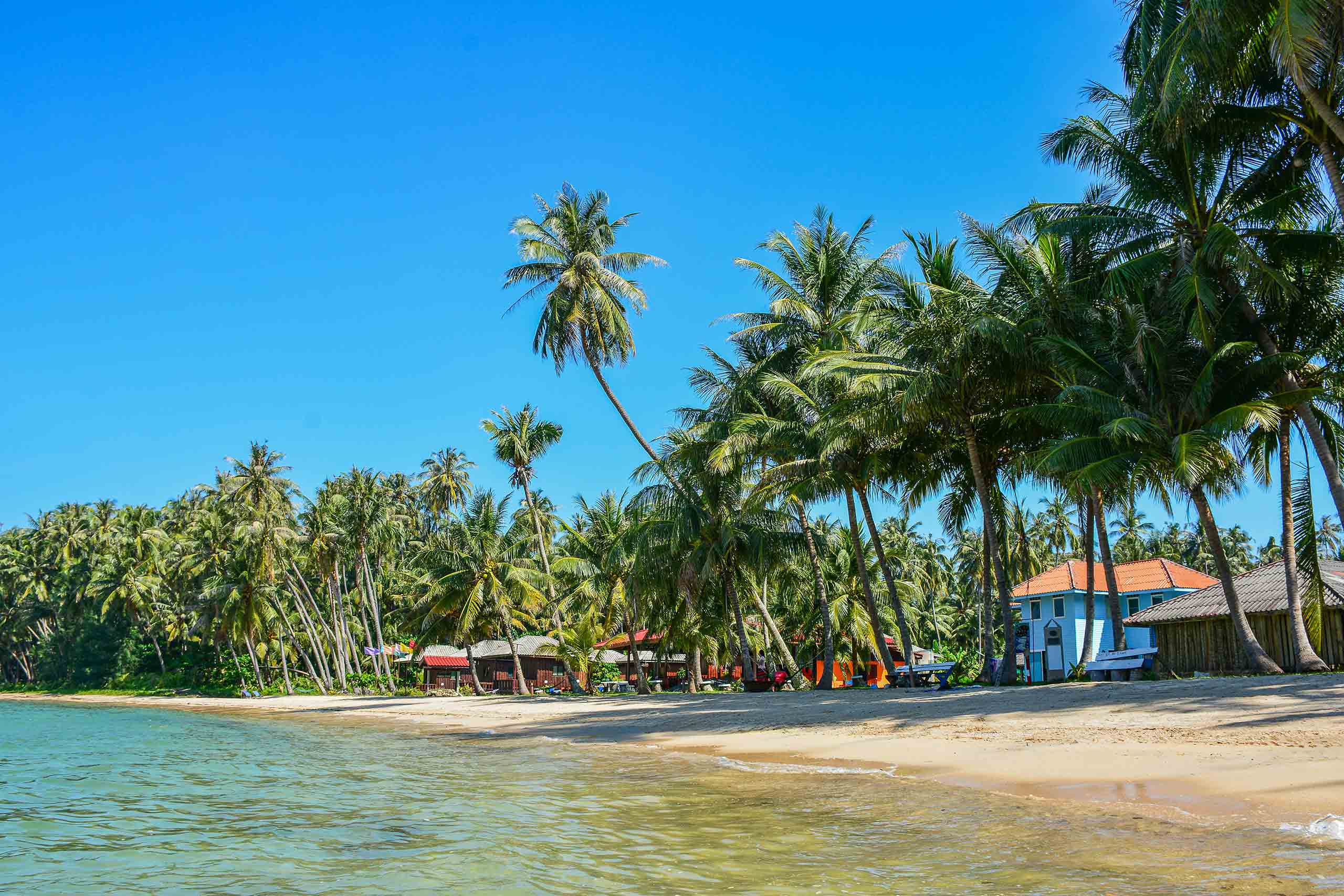
Thailand’s islands are famously, almost implausibly beautiful. But as history has shown (ahem… Maya Bay), beauty can unfortunately be as much a curse as it is a blessing, with it often leading to overtourism and ecological destruction. Protecting the country’s natural assets sits at the centre of how the country is rethinking tourism today. That means confronting tougher questions around growth, impact, and what a destination should be before it reaches saturation. One island, in particular, is taking that challenge seriously. It’s called Koh Mak, and if you haven’t heard of it, that’s entirely the point. As the country’s first low-carbon destination, it remains deliberately under the radar: a family-owned island that limits mass tourism to preserve a quieter, more considered version of “old Thailand”. Here’s what to know.
Firstly, what does “low-carbon” mean?
In simple terms, a low-carbon destination is one that tries to keep tourism’s environmental impact as low as possible, especially when it comes to emissions. On the ground, that usually means a few key things. Development is kept in check, with fewer large-scale resorts and a stronger focus on smaller, locally run places to stay. Transport is more limited, whether that’s fewer vehicles on the road or a greater emphasis on walking and cycling. There’s also a push to reduce waste, from cutting single-use plastics to introducing refill systems and better recycling.
How does Koh Mak differ from other islands?
Set within the Koh Chang archipelago in eastern Thailand, Koh Mak occupies a different space in the country’s island landscape. It sits off the coast of Trat Province, closer to the Cambodian border than the better-known hubs further west. Smaller, flatter, and less built-up than neighbouring Koh Chang and Koh Kood, it has avoided the kind of rapid development that has reshaped much of Thailand’s coastline over the past two decades.
Tourism exists here, but it does not dominate in the same way. Rubber plantations and fishing remain part of the local economy, and much of the island is still owned by long-established families. The result is a destination that feels deliberately scaled. There are no high-rise hotels or large resort complexes, and visitor numbers remain relatively modest compared to Thailand’s major beach destinations. Access requires an additional step via the mainland, which has helped keep volumes lower and the pace of development more controlled.
How does Koh Mak’s low-carbon model work in practice?
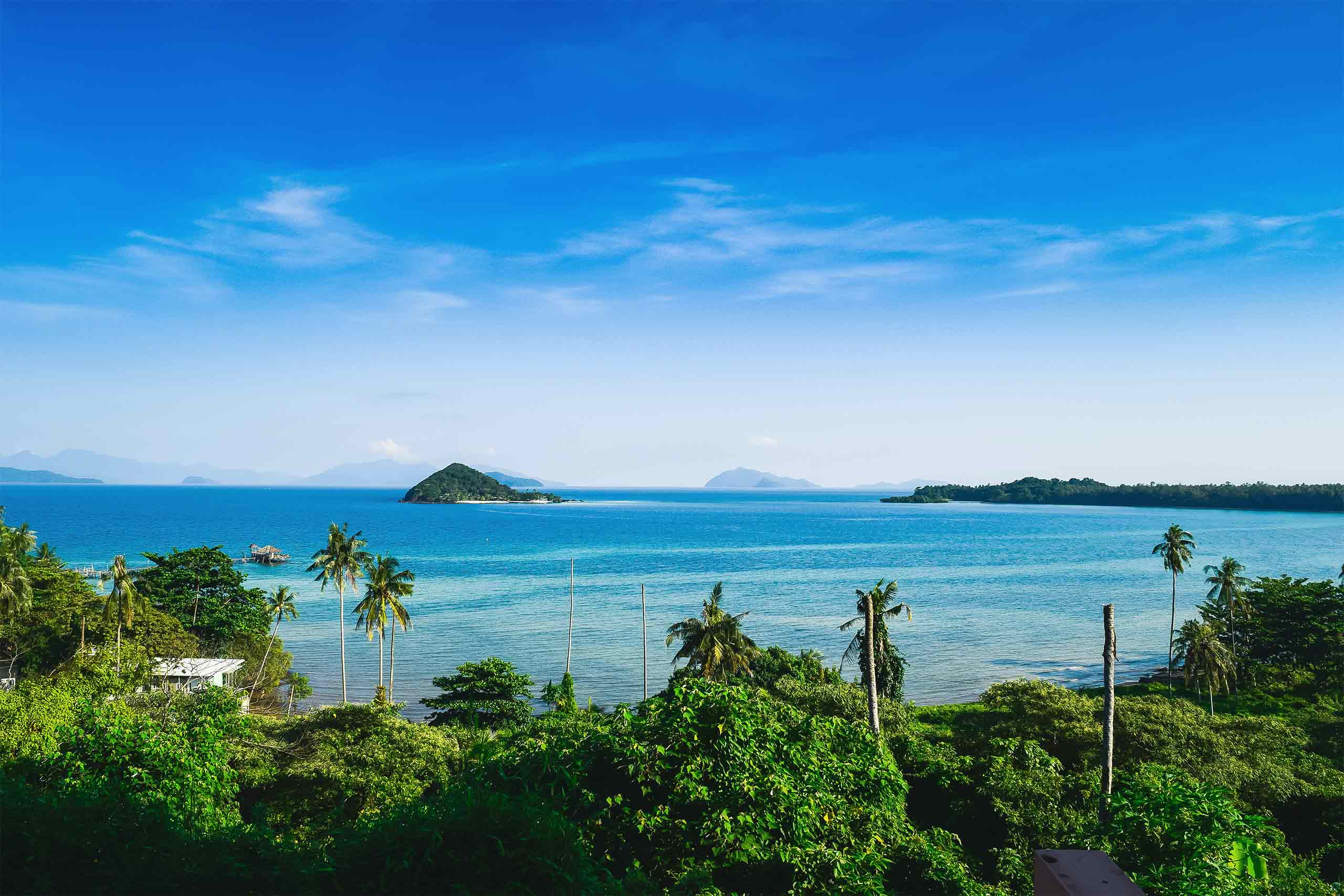
The island has adopted a coordinated approach aimed at balancing tourism with environmental protection and the preservation of its character. A key part of that framework is the Koh Mak Charter, introduced in 2018 as a set of shared principles for responsible tourism. It focuses on reducing carbon emissions, limiting waste and maintaining the island’s existing identity. The charter is supported by a broader low-carbon initiative developed in collaboration with Thailand’s Designated Areas for Sustainable Tourism Administration. This has brought together local residents, businesses and public agencies in what is described as a “low-carbon community”, with the aim of reducing emissions and managing tourism growth more carefully.
In practical terms, that has led to a series of measures that shape both daily life and the visitor experience. The number of vehicles on the island is controlled, with limits on motorbike rentals to reduce traffic and noise. Motorised water sports are not permitted, helping to protect marine ecosystems and maintain quieter beaches. Restrictions are also in place on materials such as styrofoam, and efforts have been made to reduce single-use plastics through refill stations, reusable alternatives and local waste management systems. Recycling programmes and community-led initiatives, including beach clean-ups, form part of an ongoing effort to manage the environmental footprint of tourism.
Marine conservation is another area of focus. The glistening waters around Koh Mak support coral reefs and seagrass ecosystems, both of which are sensitive to increased tourism activity. Local initiatives encourage responsible snorkelling and diving practices, while broader projects are exploring the role of seagrass in carbon capture and coastal protection. These efforts sit alongside a wider emphasis on reducing the impact of tourism on surrounding natural resources.
Food and agriculture also reflect the island’s approach. Small-scale farms on Koh Mak supply local restaurants with fruit, vegetables and herbs grown on the island, while seafood is sourced directly from nearby waters. Under the “Eat It Fresh” campaign, a number of restaurants prioritise locally grown ingredients and reduce reliance on imported produce and plastic packaging. In practice, that means shorter supply chains, less food waste and fewer single-use materials, linking what’s on the plate to the island’s broader effort to lower its environmental impact.
Things to do on Koh Mak
A handful of incredible, low-impact experiences define Koh Mak, all shaped by the island’s coastline, and best enjoyed at a slower pace.
Cycle between beaches and plantations
Cycling remains the easiest way to move around Koh Mak. Routes between the north and south of the island pass through coconut and rubber plantations, with occasional viewpoints over the coastline. It’s possible to cover much of the island in a day without encountering heavy traffic.
Kayak along the coastline
For shorter distances, kayaking offers a quieter and more experiential alternative to regular boat trips. Paddling along the coast or out towards smaller offshore islets allows access to shallow reefs and calmer stretches of water without relying on motorised transport.
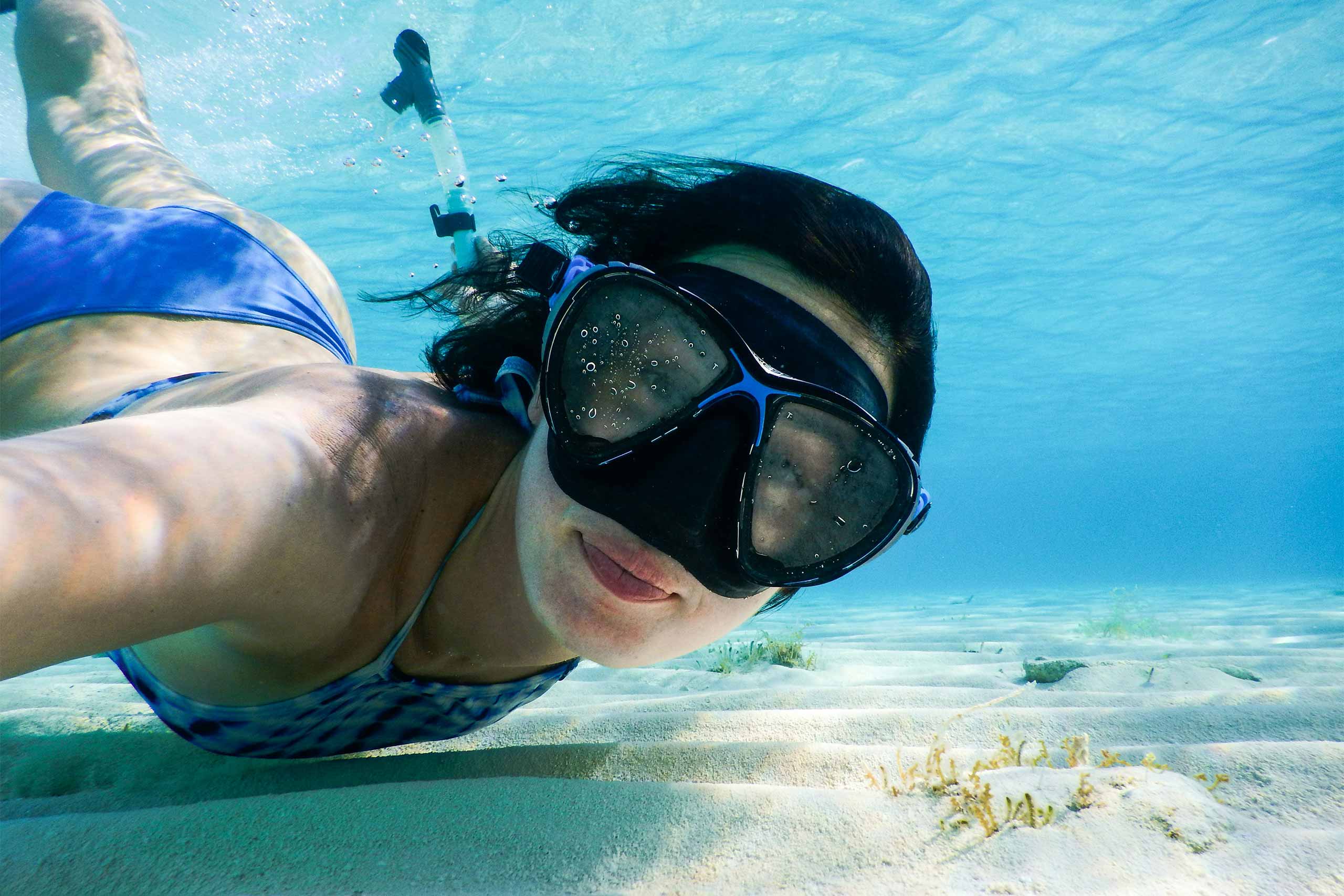
Snorkel in the surrounding waters
Snorkelling trips operate from several points on the island, typically focusing on nearby reef systems and smaller islands in the surrounding waters, including areas within the Mu Ko Chang Marine National Park. Conditions are often calm, with operators encouraging minimal impact on coral and marine life.
Visit Somchai’s Love Garden
Set away from the coastline, Somchai’s Love Garden is one of Koh Mak’s more unusual stops. Created by artist Khun Somchai, the collection of sculptures that celebrate sexuality and womanhood has become an informal landmark on the island and reflects its independent, small-scale character.
Take a boat to Koh Kham
One of the closest neighbouring islands, this island is known for its clear waters and stark black volcanic rock formations. Most visitors come for a few hours of swimming and snorkelling rather than to explore inland.
The bigger picture
While Koh Mak stands out for the consistency of its low-carbon model, it also forms part of a broader shift in Thailand’s tourism strategy. National initiatives have begun to promote lower-impact travel through designated routes that connect regions while encouraging slower movement and reduced reliance on high-emission transport. Programmes such as the Thailand Green Tourism Collections bring together destinations that meet specific sustainability criteria, while provinces like Krabi are being positioned as examples of more balanced tourism development.
Destinations like Phuket Old Town are also working towards sustainability targets within the constraints of existing infrastructure and high visitor numbers. Projects like the carbon neutrality plan for Phuket Old Town illustrate how established destinations are attempting to adapt, even as they continue to receive significant tourist flows.
The contrast highlights the different paths Thailand’s destinations are taking. Smaller islands such as Koh Mak have been able to define their tourism model from the outset, while larger hubs are now adjusting to new expectations around environmental management and long-term resilience. Within that broader context, Koh Mak offers a clear reference point. Its scale, governance and community involvement have allowed sustainability to be integrated into the structure of tourism rather than treated as an add-on.
It may not have the name recognition of Thailand’s bigger islands, and it doesn’t try to compete on volume or spectacle. But that’s precisely where its strength lies. As Thailand pushes towards a lower-impact model of tourism, Koh Mak stands out as one of the few places where that shift is already visible on the ground – not as a concept, but as a functioning system.